Not long ago I went to a formal pre-drinks with the other parents. Lovely people, lovely venue, and I spent most of the night feeling out of my depth.
I didn't know what to say. I hovered near the food, asked the same two questions a few times and quietly counted down the minutes until I could leave.
Now put me in a project room on Monday morning. I'm the friendly one who knows everyone's name, asks how their weekend was and gets the quiet person in the corner talking. Same person, two very different rooms.
So how does an introvert end up in a job everyone assumes is for extroverts? After 20 years in the job, I think the answer says a lot about what change management actually is.
A change manager helps people move from the old way of working to the new one, so a new system or process actually gets used.
- Leading with empathy.
- A coaching mindset, and believing everybody can change.
- Knowing people resist the change and the not knowing, not the technology.
- Emotional intelligence, and being able to read a room.
Why work is different
At a party, the conversation is the whole point. At work, every conversation has a purpose.
I know the system, the problem it's meant to solve and the people it's going to affect. So small talk turns into real talk very quickly. Lots of introverts find chat for its own sake hard work. Give us something to solve together and it's a different story. This job hands you a reason to talk to people, and a good one.
What a change manager actually does
Day to day, that looks like this:
- Finding out who's affected.
- Working out what's changing for them.
- Telling them what they need to know, when they need to know it.
- Training them.
- Hearing their worries before go-live, while there's still time to do something about them.
The role often gets underestimated as "comms and training". Most of the value sits in the listening that happens before anything gets sent.
People don't resist technology
They resist the change, and the not knowing.
Think about moving house. Even when it's a move you want, you're stressed. You don't know what's going to happen, and it takes a long time to get your head around it. I see technology change the same way.
There's real science behind this. When change lands, the brain scans for threat and uncertainty sets it off. I've written about that in the neuroscience behind change resistance. It matters legally too. In Australia, poorly managed change is now a named psychosocial hazard, which I cover in Change management is now a legal obligation.
That's why I lead with empathy and emotional intelligence. I come from a coaching mindset, and I genuinely believe everybody can change. People need time, the right information and someone in their corner.
If there's one thing I can do, it's read a room
That comes from a very wide and varied working life.
I've worked in shops since I was 15, including an off-licence, so I've served every kind of customer. I've worked on the Colgate factory floor, managing production lines and training factory workers. I've worked in marketing and accounts payable. I've been an EA and worked alongside plenty more. I've worked at the water board, at British airports and at Woolworths in buying and supply chain. Since then I've worked on projects in banks, telcos and utilities, with everyone from the front line to CEOs and CFOs.
Life has added to it too. I've been through cancer, so I know doctors and hospitals from the patient's side. I've got a teenager at home and an elderly mother, so I'm across two very different generations every day.
So whoever is in front of me, I can usually tell where they're coming from and what they might be thinking and feeling. That's emotional intelligence, and you won't see it on a project plan. It's what makes everything else tick in the background.
The traits that matter
1. I like fixing things
When someone has a problem, I want to be the one who works it out with them.
2. I stand up for people
On most projects I'm the only person whose whole job is the staff. The developers look after the build, the project manager looks after time and budget, and I look after the people who have to use the thing on Monday. Emotional intelligence tells me who's struggling, often before they say it.
3. I make things easy
Simple steps, clean slides, short meetings. If something feels complicated to me, it'll feel worse to someone learning it between customers.
4. I've got no ego in it
I'm happy at my level as a consultant. I'm not trying to climb over anyone, so all my attention can go on the people.
Where this has mattered
Australia Post: 350 people became 700
The project was scoped at 350 affected people. When I started talking to stakeholders, I found around 700 actually used the system. That meant 350 people were about to have their system upgraded with no information, and tasks they relied on would have stopped working.
It took weeks of arguing with the Salesforce team before I was proved right. And it still happens. Experts say "these are the only people affected", and when I go and talk to people, I find more.
Print preview
On another project, staff really needed print preview and printing, and nobody was delivering it. I kept pushing until they got it. It's a small feature and it made a big difference to whether the new system helped them or slowed them down.
The warehouse team
At the moment I'm championing a warehouse team still working on manual, paper-based processes. They can't do their work properly with what they've got. My job is to make sure they're heard, so what gets built works for them on the floor.
My small habits
- I wave at everyone on video calls. It opens the room up every time.
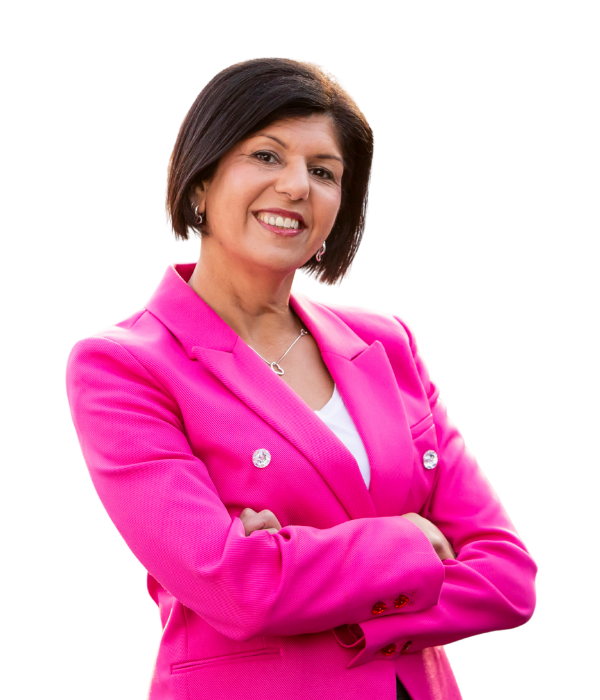
- I wear a pink jacket, so people remember who to come to 💗
- I bring chocolates and arrange morning teas.
- I keep meetings short, because people's time matters.
- I stay fully present. AI or someone else takes the notes so I can properly listen.
- I ask open questions about people's work and their lives.
- I keep training to simple steps and easy-to-read slides.
Energy and recharging
I give my all at work, then I go home and recharge quietly. Knowing this about myself is a strength. It's why I plan my people time well, so I've got energy for the people who need it most.
It's also why I'll probably leave the next pre-drinks early. I'm OK with that.
So, would you suit it?
Change management rewards emotional intelligence, empathy, listening, curiosity and caring about the people on the receiving end. None of those need you to be the life of the party.
If you're a quiet person wondering whether you'd suit the job, you probably would.
If you'd like to know more about how I work, have a look at Change Made Simple consulting, or say hi on LinkedIn. I'm much better there than at pre-drinks.
Frequently asked questions
What does a change manager do?
A change manager helps people move from the old way of working to the new one, so a new system or process actually gets used. Day to day that means finding out who is affected, working out what is changing for them, telling them what they need to know, training them and hearing their worries before go-live.
Can an introvert be a good change manager?
Yes. Change management rewards listening, curiosity and caring about the people on the receiving end. At work every conversation has a purpose, which suits introverts who find chat for its own sake hard work but shine when there is something to solve together.
Is change management just communications and training?
No. Communications and training are the visible part. Much of the value sits in the work before anything gets sent: finding out who is really affected, what is changing for each group and what they are worried about, while there is still time to act on it.
What skills does a change manager need?
Emotional intelligence, empathy, listening, curiosity and the ability to read a room. A coaching mindset helps, along with problem solving, making complicated things simple and being comfortable standing up for staff, because the change manager is often the only person on a project whose whole job is the people who will use the new system.
Do people resist new technology?
Mostly, people don't resist the technology itself. They resist the change and the not knowing. Like moving house, even a change people want is stressful and takes time to get your head around. Clear information, time and support make the difference.
How do introverts manage their energy in a people-facing role?
By knowing how they recharge and planning around it. Many introverts give their all at work and recharge quietly at home. Planning people time on purpose, keeping meetings short and letting AI or a colleague take notes all help protect that energy.